


Rest as Resistance: Breaking Generational Patterns and Reclaiming Rest as a Foundational Practice

Being the daughter of two remarkable people shaped me long before I understood its impact.
My mother owned and operated the first Black dance studio in the Upstate of South Carolina while also teaching physical education at the same elementary school for nearly 40 years. My father became the first Black male graduate of Presbyterian College in Clinton, South Carolina, which as you can imagine was met with immense barriers. Their lives were defined by perseverance, excellence, and an incredible sense of a strong work ethic. But there was one word I rarely heard in our home, let alone saw it practiced: Rest.
I don’t think my mother knew how to rest. She spent Monday through Friday teaching at school on the northside of Spartanburg — and when she wasn’t at school, she was at her dance studio teaching hundreds of students the art of dance, from coordinating classes and selecting costumes to keeping up with the science of running a business. On the weekends, you would find her at sorority meetings, Links Meetings, planning events for her church, and pouring back into the community that raised her. When my father’s health declined, she poured the same energy into caring for him until he passed in early 2024. I grew up watching two people give everything they had, day after day, never pausing to ask what they might need in return.
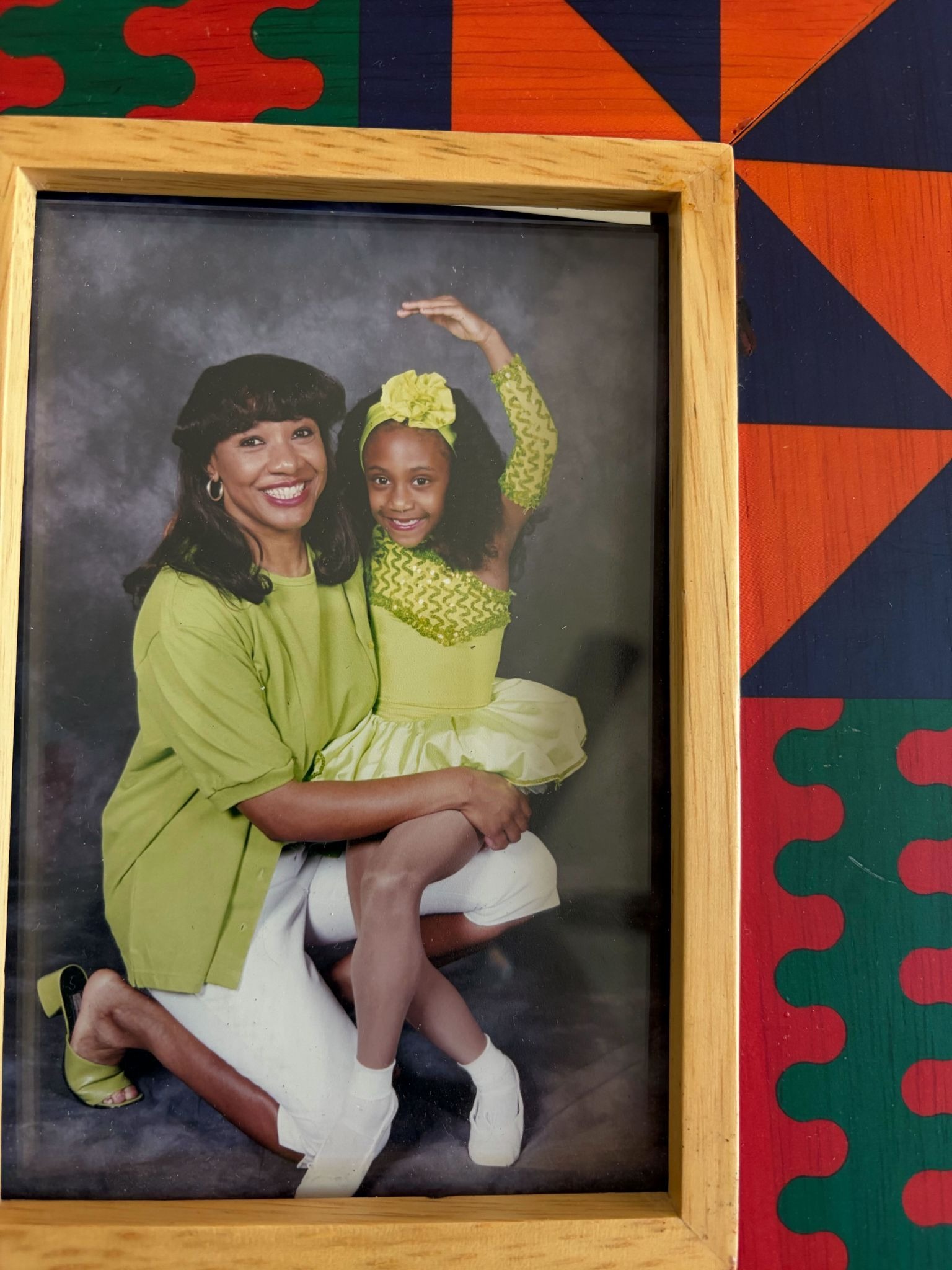
From Kindergarten to sixth grade, I never missed a day of school. If I was never sick enough to stay home from school the full day or if I had to leave school early, I would still go for half day so I could get counted as present. During my sixth grade graduation, I was the only student in the grade who could walk away saying that I had perfect attendance.
My perfect attendance record influenced how I viewed hard work and always “showing up”, but I never truly learned what rest could look like. I heard quotes like “You’re too young to be tired!” or “You can rest when you’re dead,” — so in my mind, rest meant “not working,” and not working was simply unacceptable. Rest was always considered a reward after the hard work was completed. It never occurred to me that rest might be something sacred, let alone a form of resistance, until I found myself working in philanthropy.
As a Black woman who has been in predominantly White spaces my whole life, I have seen women who look like me show up in rooms that didn’t always welcome us, yet still give everything we had. I worked in environments where overworking yourself was praised and showed "commitment", but advocating for your needs — needs that included rest — was seen as “difficult. I internalized that feeling and often told myself “The more you work, the more you’re valued by the system.” But where is the line? When do I stop working for the system’s unrealistic expectations and start advocating for myself and my needs?
Working at Cypress Fund has taught me that rest isn’t a reward, it’s a necessity— a mindset that helped change my perspective on how and when I rest. At Cypress, I’m encouraged to take breaks not when it’s convenient for the organization, but when I need that time. Outside of sleep, I don’t think I knew how to rest. But working with an organization that has rest embedded in its core values has changed how I show up in spaces. I started reading books for fun that aren’t related to work. I bake cookies and give them to my family just because. I go for walks during my workday simply because I want to. The freedom that I feel when I rest is an experience that I can only describe as liberating.
For our ancestors, rest was not a choice. From years of enslavement to generations of hard labor for a fraction of what White counterparts earned, rest only existed in the imagination. I like to think of rest as a quiet act of rebellion because of the world our ancestors came from, but also because we currently live in a world that is constantly trying to strip away our need to rest.
In Tricia Hersey’s book, Rest is Resistance, Hersey encourages leaders to explore and interrogate what it would look like to live in a well-rested world where rest is the foundation of how we live our lives. Hersey writes: “You were not just born to center your entire existence on work and labor. You were born to heal, to grow, to be of service to yourself and community, to practice, to experiment, to create, to have space, to dream, and to connect.”
I believe rest is a form of resistance that challenges the entire system. It challenges this idea of hustle culture that is rooted in capitalism, trying to “prove” that we are only as good as our output. Why do we as a society applaud ourselves for exhaustion when we rarely point out what it is costing us? Where do we draw the line of working hard and working ourselves too hard? Rest is not the idea of stepping away from the work that we do, but redefining how we show up. We deserve spaces that cherish us just as much as we cherish them.
If I could go back in time and tell my mom to take a break, I would. I would tell her that I see how hard she works, but I want to see her take care of herself more. My husband and I talk all the time about how we will raise our future children — and one of the first things I told him was that I want my kids to see that their mom took care of herself. She showed up in spaces that valued and cherished her. As someone who would choose to be Black and Southern in every lifetime, that is my prayer and hope for every Black woman: To walk into every space knowing your worth, holding your head up high, and feeling that incredible sensation of rest.
You can’t spell resistance with some rest!


